
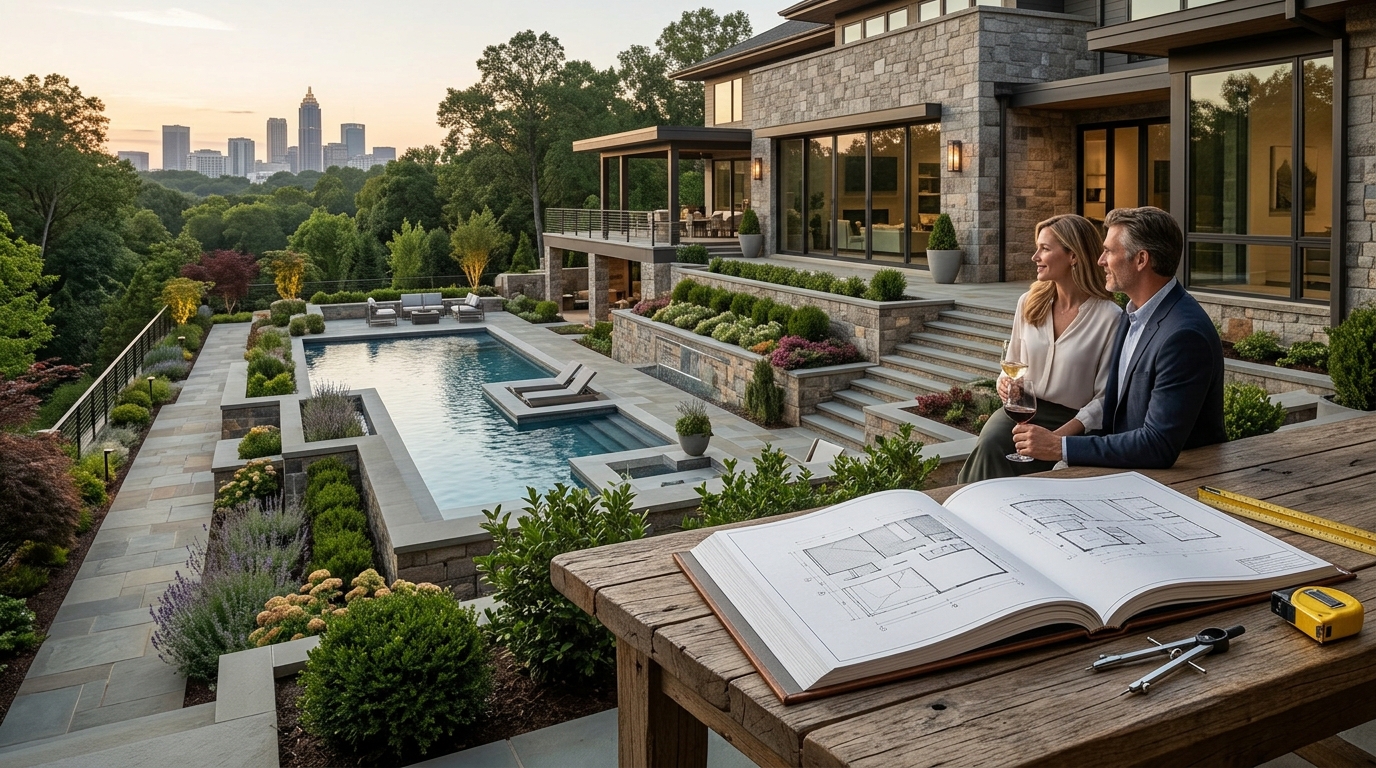
Full Property Design vs. Planting: A Guide to Choosing Landscape Professionals
Full property design is a comprehensive architectural and engineering process that integrates hardscapes, structures, and planting into a unified spatial plan. It differs from simple planting, which focuses only on vegetation selection. This guide explains how to identify professionals who handle the entire property, verify their credentials, and understand the costs and timelines involved in Atlanta. For additional details, review the BarberWarren mdash Contact Us.
How to Choose: Separating Full Design from Planting
Choosing the right professional requires looking beyond portfolio photos of gardens. A landscape designer is a professional who plans the spatial layout of outdoor areas, including circulation, structures, and planting. You must distinguish between those who only select plants and those who engineer the entire site.
Scope of Services
Portfolio Depth
Review portfolios for before-and-after images that show structural changes, not just new flowers. Look for evidence of coordination with architects and engineers. A strong portfolio demonstrates a holistic approach to the built environment.
What to Ask: Specific Questions Before Committing
Asking the right questions early prevents scope creep and misalignment. You need to confirm their ability to manage the entire project lifecycle.
Technical Capabilities
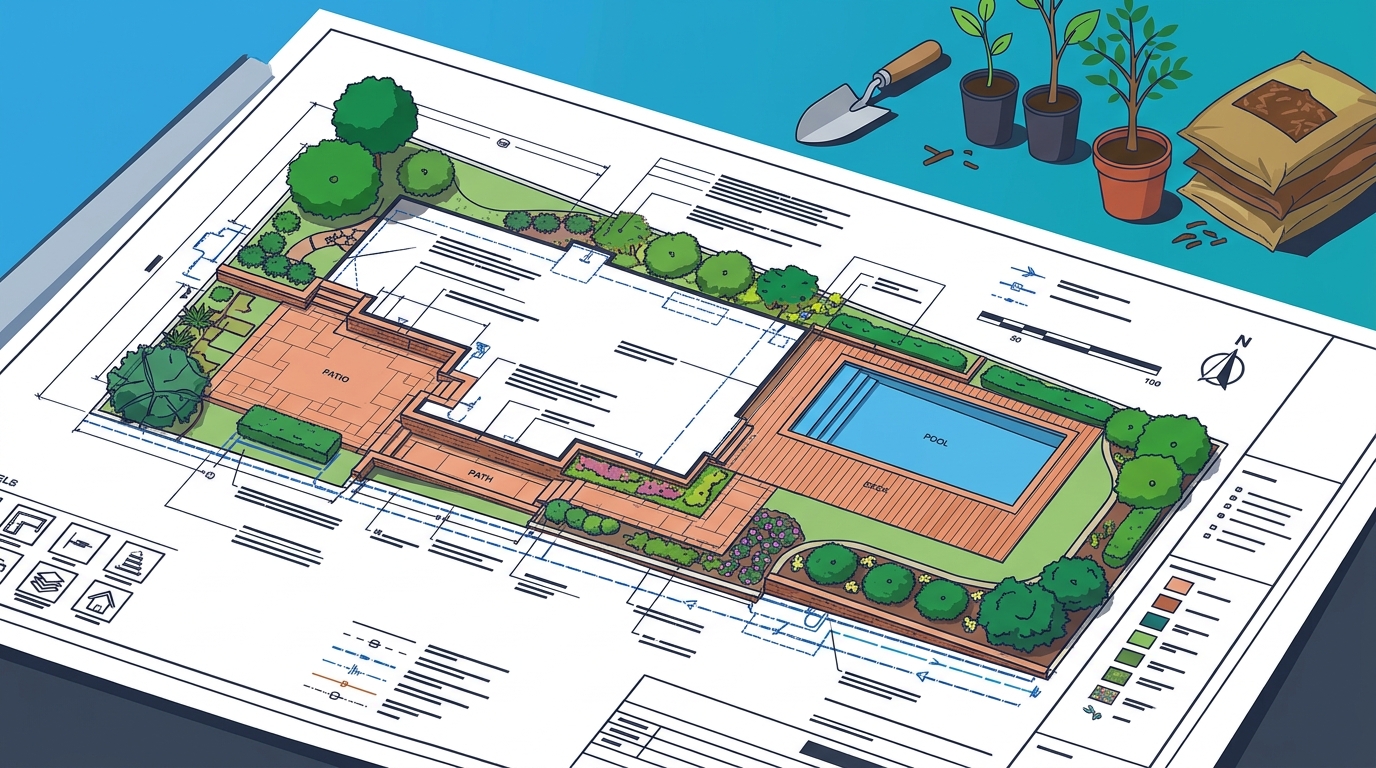
Ask if they produce civil drawings or if they rely on a separate engineer. Inquire about their experience with local soil types and drainage challenges. These answers reveal their technical depth.
Project Management
Determine who manages the contractors. A full-service designer often coordinates with general contractors and specialists. Clarify if they offer construction administration to ensure the design is built as intended.
How to Verify: Checking Credentials and Claims
Verifying credentials ensures you are hiring a qualified professional. A registered landscape architect is trained to handle engineering problems and may have considerable architectural knowledge, which is crucial for complex property designs. You should check state licensing boards to confirm their active status.
Licensing and Registration
Look for the RLA (Registered Landscape Architect) designation. This indicates they have passed rigorous exams and are bound by a code of ethics. Unlicensed designers may not be legally allowed to stamp drawings for permits.
References and Reviews
Contact past clients to ask about the builder's experience. Did the designer stay on site during construction? Were there changes in scope? These insights are more valuable than online reviews.
How It Works: The Process and Timeline
Full property design follows a structured sequence. On a given week, a landscape designer might conduct a site assessment and soil evaluation for a new residential project. This initial phase sets the foundation for the entire design.
Phases of Design
The process typically moves from site analysis to conceptual design, then to schematic design and finally construction documents. Each phase requires client approval before moving to the next. This ensures your vision is captured accurately.
Timeline Expectations
A full property design can take 3 to 6 months depending on complexity. Larger properties with significant hardscapes take longer. Understanding this timeline helps you plan your budget and construction schedule.
What It Costs: Factors Driving Price
Costs vary based on the scope and complexity of the project. Design fees are often a percentage of the construction cost or a flat fee per square foot. You should request a detailed proposal that breaks down these fees. according to How to Become
Fee Structures
Some designers charge hourly, while others use a fixed fee. Hourly rates can be unpredictable, while fixed fees provide budget certainty. Ask about additional costs for engineering or permitting.
Budget Alignment
Ensure the designer understands your budget constraints early. A good designer will offer options that fit your financial reality without compromising the core design goals.
What Goes Wrong: Common Mistakes to Avoid
Scope Creep
Without a clear contract, projects often expand in scope and cost. Define what is included in the design phase and what is excluded. This protects both you and the designer.
Communication Gaps
Poor communication between the designer and contractor is a major cause of failure. Ensure the designer is available for site visits during construction to resolve issues as they arise.
Versus Alternatives: Comparing Options
Understanding the differences between professional types helps you choose the right fit. The table below compares the capabilities of different landscape professionals.
| Professional Type | Primary Focus | Engineering Capability | Best For |
|---|---|---|---|
| Landscape Gardener | Planting and Maintenance | None | Simple garden updates |
| Landscape Designer | Spatial Layout and Aesthetics | Limited | Residential patios and decks |
| Registered Landscape Architect | Full Property and Engineering | High | Complex residential and commercial sites |
For a Specific Situation: Complex Residential Properties
For large residential properties, the need for full property design is critical. These sites often involve significant grading changes, water management, and integration with existing structures. A registered landscape architect is best suited for these challenges.
Drainage and Grading
Complex properties require careful grading to manage stormwater. A designer with engineering training can create solutions that protect the home and comply with local codes.
Integration with Architecture
The outdoor space should feel like a natural extension of the home. A full-service designer coordinates with the architect to ensure seamless transitions between indoor and outdoor areas.
Rules and Protections: Legal and Ethical Standards
Professional standards protect you as the client. Licensed landscape architects are bound by codes of ethics that require them to act in the public interest. They are also insured against professional errors.
Contractual Protections
Liability and Insurance
Verify that the designer carries professional liability insurance. This covers you if the design leads to structural or safety issues.
Local Specifics: Atlanta and Georgia Considerations
Atlanta's climate and soil present unique challenges. The region's clay soil requires specific drainage solutions. Local professionals understand these nuances and can design accordingly.
Climate and Plant Selection
Atlanta's humid subtropical climate supports a wide variety of plants. However, proper selection is key to minimizing maintenance. A local designer knows which plants thrive in specific microclimates.
Local Regulations
Atlanta has specific zoning and setback requirements. A local professional is familiar with these rules and can navigate the permitting process efficiently.
Timing: When to Act and How It Affects Outcomes
Timing is crucial for a successful project. Starting the design process in the spring allows for construction in the summer and fall. This maximizes the growing season for new plantings.
Seasonal Considerations
Some construction activities are best done in dry weather. Planning your timeline around seasonal conditions can prevent delays and cost overruns.
Permitting Lead Times
Permitting can take weeks or months. Starting early ensures you have the necessary approvals before construction begins.
Results Over Time: Long-Term Outcomes
A well-designed property improves in value and usability over time. Mature plantings provide shade and privacy, while hardscapes age gracefully. The initial investment pays off in long-term enjoyment and property value.
Maintenance and Evolution
Designs should evolve with the property. A good designer provides a maintenance plan that ensures the landscape matures as intended.
Value Addition
Full property design adds significant value to a home. Buyers are willing to pay a premium for well-designed outdoor spaces that are functional and beautiful.
Key Takeaways
- Full property design integrates hardscapes, structures, and planting into a unified plan.
- Registered landscape architects are trained to handle engineering problems and complex sites.
- Always verify credentials and check state licensing boards.
- Define the scope clearly in your contract to avoid scope creep.
- Local knowledge of Atlanta's soil and climate is essential for successful design.
- Start the design process early to account for permitting and seasonal constraints.
Frequently Asked Questions
What is the difference between a landscape designer and a landscape architect?
A landscape designer focuses on aesthetics and spatial layout, while a registered landscape architect is trained to handle engineering problems and may have considerable architectural knowledge. Architects are licensed and can stamp drawings for permits.
How much does full property design cost in Atlanta?
Costs vary based on scope and complexity. Design fees are often a percentage of construction cost or a flat fee per square foot. Request a detailed proposal for an accurate estimate. according to Choosing a Landscape
How long does a full property design take?
A full property design can take 3 to 6 months depending on complexity. Larger properties with significant hardscapes take longer. Understanding this timeline helps you plan your budget and construction schedule.
Do I need a permit for landscape design in Atlanta?
Yes, many landscape projects require permits, especially those involving grading, drainage, or structures. A local professional can navigate the permitting process efficiently.
What should I look for in a landscape designer's portfolio?
Look for before-and-after images that show structural changes, not just new flowers. Evidence of coordination with architects and engineers is also important.
Can a landscape designer handle drainage issues?
A registered landscape architect is trained to handle engineering problems, including drainage. Unlicensed designers may not be legally allowed to stamp drawings for permits related to drainage.