

Comparing Brand Activism vs. Traditional Advertising: A 2026 ROI Analysis
The marketing landscape has shifted dramatically in recent years. According to recent industry reports, consumer trust in traditional advertising has dropped by 40% over the last decade. This decline is not just a statistic; it is a fundamental change in how audiences consume content. People no longer want to be sold to. They want to be engaged with. This shift has given rise to brand activism, a strategy that positions companies as active participants in cultural conversations rather than passive observers. (BarberWarren mdash About)
What is Brand Activism?
Brand activism is the practice of taking a stand on social, political, or environmental issues to align with consumer values. Brand activism is the strategic alignment of a company's core values with societal movements to drive engagement and loyalty. Unlike traditional marketing, which focuses on product features, activism focuses on purpose. This approach creates "brand activists"—customers who do not just buy your product but actively promote your brand to their networks. (Full Service Atlanta Advertising)
At BarberWarren, we specialize in creating these activists. We believe that enthusiasts and loyalists are important, but activists fuel movements. By leveraging deep consumer insights, we help brands connect with audiences on an emotional level. This connection transforms passive viewers into vocal advocates who share your message organically.
The Legacy of Traditional Advertising
Traditional advertising relies on broad reach and frequency. It uses paid media channels such as television, radio, print, and display ads to push messages to a wide audience. The goal is visibility. The metric is impressions. This model has served businesses well for decades, building awareness for products like Coca-Cola and Southern Company.
However, the effectiveness of this model is diminishing. Digital ad fatigue has increased by 25% among millennials and Gen Z consumers. These demographics are adept at using ad blockers and skipping ads. They value authenticity over polish. Traditional advertising often feels scripted and disconnected from the real-world concerns of the audience.
While traditional methods are still necessary for mass awareness, they are no longer sufficient for building deep brand loyalty. The cost of acquiring customers through paid channels continues to rise, making the return on investment less predictable. Brands must now complement broad reach with targeted, value-driven engagement.
Key Differences in Strategy
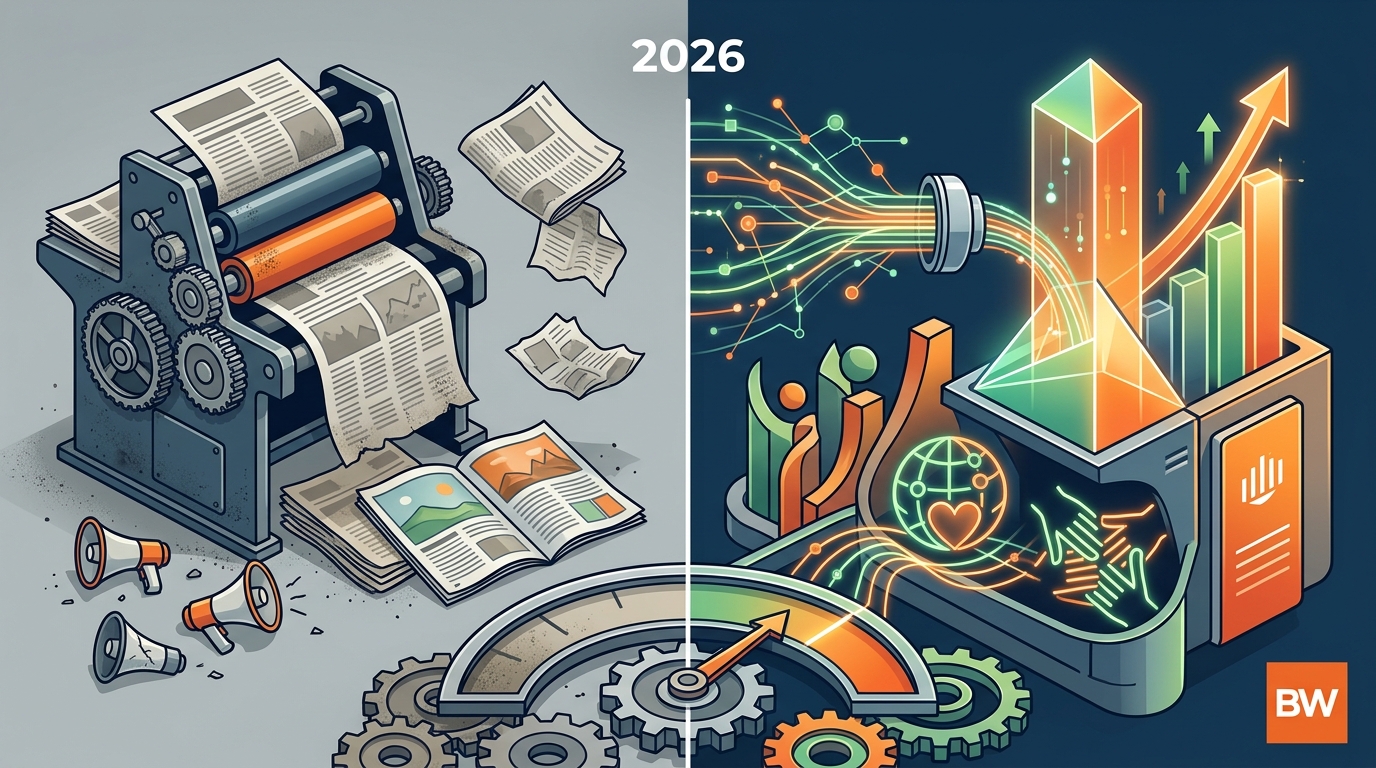
Understanding the distinction between these two approaches is critical for any marketing leader. The core difference lies in the direction of communication. Traditional advertising is a monologue. Brand activism is a dialogue.
Engagement Depth
Traditional ads aim for a quick click. Activism aims for a long-term relationship. When a brand takes a stand, it invites the audience to join a cause. This creates a sense of belonging. Customers feel that their purchase supports a larger mission. This emotional bond is far stronger than the satisfaction of buying a functional product.
Content Authenticity
Activism requires transparency. Audiences can detect inauthenticity instantly. If a brand's actions do not match its words, the backlash can be severe. Traditional advertising allows for more creative freedom and less scrutiny of the brand's internal operations. However, in the age of social media, every action is visible. Authenticity is the new currency.
Measurement Complexity
Measuring the success of a TV spot is straightforward. Counting the viewers is easy. Measuring the impact of a social movement is complex. It requires tracking sentiment, share of voice, and long-term brand health. McKinsey reports that 64% of consumers feel a strong emotional connection to brands that share their values. This metric is harder to track but far more valuable for long-term growth.
ROI and Performance Metrics
Return on investment is the ultimate question for any business. Traditional advertising offers a clear path to immediate sales. Activism offers a path to sustainable growth. The ROI of activism is often realized in customer retention and lifetime value rather than immediate conversion.
| Metric | Traditional Advertising | Brand Activism |
|---|---|---|
| Primary Goal | Immediate Sales & Awareness | Long-term Loyalty & Advocacy |
| Cost Structure | High Media Buy Costs | Content & Community Investment |
| Customer Type | Passive Consumer | Active Brand Activist |
| Trust Level | Low & Declining | High & Growing |
| Measurement | Impressions & Clicks | Sentiment & Retention |
While traditional advertising can drive quick spikes in traffic, brand activism builds a foundation that withstands market fluctuations. Harvard Business Review notes that activist brands often see a 20% increase in customer loyalty over time. This stability is invaluable in a volatile economic environment.
Real-World Case Studies
Looking at successful implementations helps clarify the practical application of these strategies. BarberWarren has worked with diverse clients to demonstrate the power of activism.
InVeris: Uniting a Legacy
InVeris, a leading-edge technology company, needed to redefine its identity. By uniting its Caswell and fats brands under a single mission-ready umbrella, BarberWarren helped create a community of activists. The campaign focused on preparedness and innovation. This approach resonated deeply with their B2B audience, positioning InVeris as a thought leader rather than just a vendor. You can see the results of this work on the InVeris project page.
Metra: Raising the Bar
Metra, formed from the merger of three companies, faced the challenge of integrating distinct cultures. BarberWarren helped launch Metra North America with a message of raising the bar. The campaign eliminated stress and anxiety for customers by highlighting the strength of the unified entity. This strategic move transformed a complex merger into a compelling brand story. Visit the Metra case study to learn more.
BlackFin Square: Growth Activism
For BlackFin Square, the focus was on empowering CIOs. The campaign positioned the brand as a partner in growth, helping leaders focus less on managing partners and more on fueling their own companies. This approach created a community of "growth activists." The BlackFin Square project demonstrates how B2B brands can use activism to build deep professional relationships.
When to Use Each Approach
Neither strategy is inherently superior. The best approach depends on your business goals, audience, and resources. Traditional advertising is ideal for product launches where immediate awareness is critical. It works well for commodities where brand differentiation is low.
Brand activism is ideal for established brands seeking to deepen loyalty. It is also effective for new brands trying to cut through the noise by standing for something. If your audience is values-driven, activism will outperform traditional ads. Edelman's Trust Barometer confirms that trust is the primary driver of purchase decisions in 2026.
Consider a hybrid approach. Use traditional advertising to build broad awareness and activism to nurture deep connections. This combination maximizes reach while maximizing impact. BarberWarren specializes in crafting these hybrid strategies for clients across various industries.
Key Takeaways
- Consumer trust in traditional advertising has declined significantly, creating an opening for brand activism.
- Brand activism focuses on creating "activists" who actively promote the brand, not just buy from it.
- Traditional advertising offers immediate visibility, while activism offers long-term loyalty and retention.
- Authenticity is critical for activism; inauthentic stands can damage brand reputation.
- BarberWarren has successfully implemented activism strategies for clients like InVeris, Metra, and BlackFin Square.
- Measurement for activism is complex, requiring focus on sentiment and lifetime value rather than just clicks.
- A hybrid approach often yields the best results, combining broad reach with deep engagement.
Frequently Asked Questions
What is the main difference between brand activism and traditional advertising?
Traditional advertising pushes a message to a broad audience to drive immediate sales. Brand activism pulls an audience in by aligning with their values to build long-term loyalty.
Is brand activism only for large corporations?
No. Small and medium-sized businesses can also benefit from activism by taking stands on local or niche issues that matter to their specific community.
How do you measure the ROI of brand activism?
ROI is measured through customer retention rates, lifetime value, sentiment analysis, and share of voice, rather than just immediate conversion metrics.
Can brand activism backfire?
Yes. If a brand's actions do not match its stated values, it can be accused of "woke-washing," which damages trust. Authenticity is essential.
How long does it take to see results from brand activism?
Results are often slower to start but more sustainable. It typically takes 6 to 12 months to build a strong activist community.
Does BarberWarren offer both traditional and activist strategies?
Yes. We create brand activists by any means available, including traditional campaigns, digital strategies, and community building.
What industries benefit most from brand activism?
Industries with high competition and values-driven consumers, such as technology, food and beverage, and professional services, benefit significantly.
Ready to Create Brand Activists?
Stop chasing impressions and start building movements. BarberWarren is a full-service Atlanta advertising agency dedicated to creating brand activists who fuel your growth. We combine deep consumer insights with powerful creative campaigns to connect your brand with its audience on a human level.
Whether you are looking to redefine your identity like InVeris or empower your customers like Metra, we have the expertise to guide you. Contact us today to schedule a consultation and discover how we can help your brand become a movement.