

Marketing budgets are shrinking, yet the demand for measurable growth remains at an all-time high. According to recent industry analyses, marketing spend trends indicate that businesses are increasingly shifting resources toward high-ROI, community-driven strategies rather than broad, expensive media buys. This shift is not just a reaction to economic pressure; it is a strategic evolution toward creating brand activists who fuel movements. For companies operating with limited capital, the path to success lies in leveraging deep consumer insights and emotional bonds over expensive reach. (BarberWarren mdash About)
Defining Brand Activism vs. Traditional Marketing
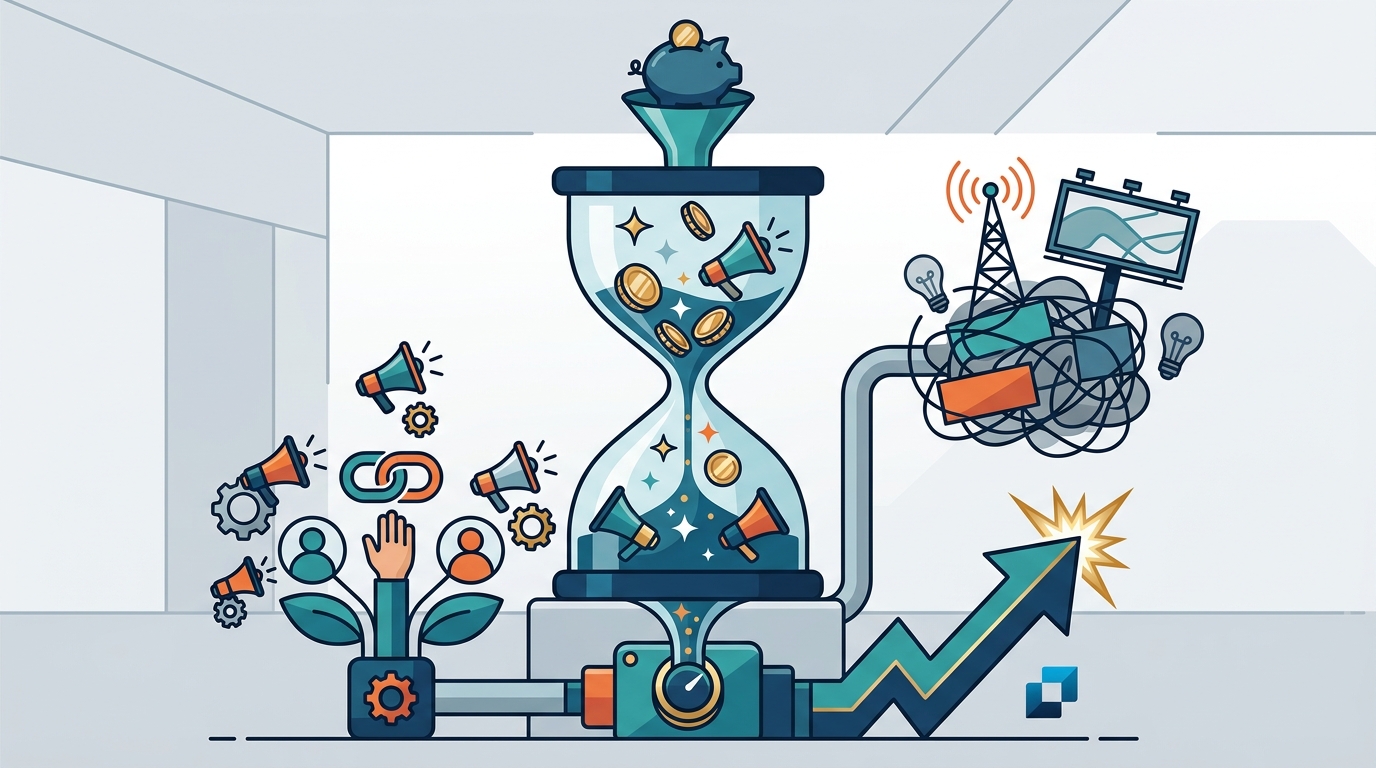
To understand budget-friendly marketing, we must first redefine what marketing is. Brand activism is the practice of mobilizing customers to become advocates who drive organic growth through shared values and emotional connection. Unlike traditional marketing, which relies on paid impressions and broad awareness, activism focuses on depth of engagement. This approach allows companies to achieve significant market penetration without the overhead of massive media buys. (BarberWarren mdash Metra)
Traditional models often fail to account for the power of peer-to-peer influence. When a customer feels a genuine emotional bond to a brand, they do not just buy the product; they promote it. This organic amplification reduces customer acquisition costs significantly. By focusing on creating activists rather than just enthusiasts, businesses can build a self-sustaining growth engine that scales with minimal incremental spend. (BarberWarren mdash InVeris)
The core difference lies in the metric of success. Traditional marketing measures reach and frequency. Brand activism measures advocacy and retention. For budget-conscious organizations, the latter provides a more durable and cost-effective foundation for long-term profitability.
Building Community Without the Budget
Community building is the cornerstone of budget-friendly marketing. It requires less financial capital and more creative effort. The goal is to create spaces where customers feel heard, valued, and connected to a larger purpose. This strategy transforms passive buyers into active participants in the brand narrative.
Leveraging User-Generated Content
User-generated content (UGC) is a powerful tool for lean marketing teams. It provides authentic social proof and fills content calendars without the cost of professional production. Encouraging customers to share their experiences creates a sense of ownership and belonging. When customers see their peers engaging with the brand, trust increases, and the barrier to purchase decreases.
Creating Exclusive Experiences
Exclusivity does not require high costs. It requires intentionality. By offering early access, behind-the-scenes insights, or exclusive community events, brands can foster loyalty without significant expenditure. These experiences make customers feel like insiders, deepening their emotional investment in the brand.
Fostering Peer-to-Peer Support
Building a support network where customers help each other reduces the burden on customer service teams and enhances the customer experience. When customers solve problems for one another, they become more invested in the brand ecosystem. This peer-to-peer interaction creates a resilient community that sustains the brand through market fluctuations.
High-Value Content Tactics for Lean Teams
Content is the vehicle for brand activism. However, not all content requires a large budget. The most effective content for budget-friendly marketing is strategic, relevant, and designed to spark conversation.
Educational Content as a Lead Magnet
Educational content positions the brand as an authority in its field. By solving specific problems for the target audience, companies can attract high-intent leads without paid advertising. This approach builds trust and demonstrates value before the first sales conversation takes place.
Storytelling That Resonates
Stories are the most efficient way to convey complex ideas and emotional connections. Budget-friendly marketing relies on authentic storytelling that highlights customer successes, brand values, and the human element behind the product. These stories are shareable, relatable, and cost nothing to produce beyond the time invested in creation.
Strategic Partnerships
Collaborating with complementary brands allows for audience sharing and resource pooling. These partnerships can amplify reach and credibility without significant financial outlay. By aligning with brands that share similar values and target audiences, companies can tap into new networks of potential activists.
Real-World Examples of Cost-Effective Growth
Examining successful campaigns provides actionable insights for budget-conscious marketers. Several organizations have demonstrated that creativity and strategic focus can outperform large budgets.
InVeris: Unifying a Legacy Brand
InVeris, a leading-edge technology company, faced the challenge of uniting multiple brands under a single identity. Instead of launching expensive media campaigns, BarberWarren focused on defining and uniting the brand internally first. By arming the organization with a clear, unified message, they created brand activists who could communicate the value proposition effectively at every point of contact. This internal alignment reduced the need for external correction and amplified the impact of every interaction.
Metra: Raising the Bar Through Integration
Metra North America emerged from the integration of three companies. Rather than relying on traditional advertising to announce the merger, they focused on eliminating stress and anxiety for their customers. By launching with a clear message of raising the bar and making customer jobs more rewarding, they created a narrative that resonated deeply with their audience. This approach built trust and loyalty without the need for massive promotional spend.
Victory Brewing: The Flip Flop Nation
Victory Brewing Company leveraged the concept of summer to create a community of brand activists known as Flip Flop Nation. By encouraging patrons to plant a flag and celebrate summer, they transformed a seasonal product into a cultural movement. This strategy relied on community engagement and experiential marketing rather than paid media, resulting in high engagement and brand loyalty.
Strategic Approaches Comparison
Understanding the differences between marketing approaches helps in selecting the right strategy for budget-friendly growth.
| Strategy | Primary Focus | Cost Implication | Long-Term Value |
|---|---|---|---|
| Paid Media Buying | Immediate Reach | High | Low (Stops when spend stops) |
| Brand Activism | Emotional Connection | Low to Medium | High (Sustained advocacy) |
| Community Building | Peer-to-Peer Engagement | Low | High (Resilient loyalty) |
| Content Marketing | Education and Authority | Medium | High (SEO and Trust) |
Key Takeaways
- Brand Activism Definition: Brand activism is the strategic mobilization of customers to drive organic growth through shared values and emotional bonds.
- Cost Efficiency: Shifting from paid media to community-driven strategies significantly reduces customer acquisition costs while increasing retention.
- InVeris Strategy: InVeris successfully unified its brand by focusing on internal alignment and clear messaging before external promotion.
- Metra Integration: Metra North America leveraged a narrative of raising the bar to build trust during its corporate integration.
- Victory Brewing Example: Victory Brewing created a loyal community called Flip Flop Nation through experiential summer campaigns.
- UGC Power: User-generated content provides authentic social proof and reduces production costs.
- Long-Term Value: Brand activism offers higher long-term value than paid media by building sustainable customer loyalty.
Frequently Asked Questions
What is the difference between brand enthusiasts and brand activists?
Brand enthusiasts like the brand, but brand activists are emotionally invested and actively promote it to others. Activists fuel movements and drive organic growth through their advocacy.
How can small businesses build a community without a large budget?
Small businesses can build communities by leveraging user-generated content, creating exclusive experiences, and fostering peer-to-peer support. These strategies rely on creativity and engagement rather than financial spend.
Is brand activism effective for B2B companies?
Yes, brand activism is highly effective for B2B companies. By focusing on emotional connections and shared values, B2B brands can create loyal advocates who influence purchasing decisions within their organizations.
What role does content play in budget-friendly marketing?
Content serves as the vehicle for brand activism. Educational content, storytelling, and strategic partnerships help build authority and trust without the need for expensive advertising.
How do you measure the success of brand activism?
Success is measured by advocacy metrics such as referral rates, user-generated content volume, community engagement levels, and customer retention rates, rather than just reach and impressions.
Can brand activism replace traditional advertising entirely?
While brand activism can significantly reduce reliance on paid media, a balanced approach often yields the best results. Activism builds long-term loyalty, while targeted paid media can accelerate growth.
What are some examples of successful brand activism campaigns?
Examples include InVeris's internal unification, Metra's integration narrative, and Victory Brewing's Flip Flop Nation. These campaigns focused on emotional connection and community building.
Start Your Activist Journey
Ready to transform your brand from a passive entity into a movement? BarberWarren specializes in creating brand activists who fuel growth. Our team of experts leverages deep consumer insights and creative strategy to build lasting emotional bonds between your brand and your customers. Contact us today to learn how we can help you achieve high-impact marketing on a budget.