

Rebranding is not merely a visual refresh; it is a fundamental shift in how a company communicates its value to the world. According to recent industry analyses, Forbes reports that nearly 70% of rebrands fail to achieve their intended market impact due to strategic misalignment. This statistic highlights a critical reality: visual changes without foundational clarity lead to consumer confusion rather than engagement. At BarberWarren, we understand that true rebranding is about creating brand activists, not just enthusiasts. This guide outlines the most frequent pitfalls organizations face during transformation and provides the strategic framework to navigate them successfully.
1. Ignoring Core Brand Values
One of the most devastating errors in rebranding is disconnecting the new identity from the company's historical roots. A brand is not just a logo; it is the sum of all experiences a customer has with a business. When organizations strip away their heritage to appear "modern," they often lose the emotional equity they have spent decades building.
Brand Activism is the practice of creating deep, quantifiable consumer insights that drive action. If your new identity does not resonate with the values that originally attracted your audience, you risk becoming invisible. For example, when Metra North America underwent a transformation, they did not erase their 60-year legacy of manufacturing excellence. Instead, they unified their identity to "Raise the Bar," leveraging their history to signal reliability and quality to a new generation of B2B clients.
To avoid this mistake, conduct a thorough audit of your brand's DNA. Identify the non-negotiable values that define your mission. Ensure that every element of your new brand, from your tone of voice to your visual language, reflects these core principles. This alignment creates a cohesive narrative that feels authentic rather than forced.
2. Alienating Loyal Customers
Rebranding often triggers a fear of loss among existing customers. They may worry that the new direction will neglect their needs or change the quality of service they have come to expect. This fear can lead to immediate churn if not managed with empathy and transparency.
Consider the case of InVeris. As a leading-edge technology company with a hundred-year legacy, they faced the challenge of uniting multiple brands under one umbrella. Their strategy was not to discard their past but to frame it as a foundation for future innovation. By emphasizing "Mission Ready" capabilities, they reassured their audience that their core competencies were being enhanced, not abandoned.
To prevent alienation, involve your loyal customers in the journey. Use surveys and focus groups to understand their concerns. Communicate the "why" behind the change clearly. Show them how the rebrand will improve their experience. When customers feel heard and valued, they are more likely to become advocates for the new brand identity.
3. Inconsistent Implementation
A common rebranding mistake is launching a new identity without a comprehensive implementation plan. A logo change is only the tip of the iceberg. If your website, social media, packaging, and employee communications do not align, the brand feels fragmented and unprofessional.
Brand consistency is the uniform application of brand elements across all touchpoints to reinforce recognition and trust. Inconsistency dilutes this trust. For instance, BlackFin Square successfully positioned itself as a growth activist by ensuring its messaging was consistent across all IT and communications channels. This uniformity allowed them to speak with one voice, reinforcing their value proposition to multinational corporations.
Create a detailed brand guideline document that covers every aspect of your identity. Train your internal teams on how to use these guidelines. Audit all external partners to ensure they are adhering to the new standards. Consistency builds credibility, and credibility drives conversion.
4. Neglecting Internal Culture
Rebranding is not just an external exercise; it is an internal cultural shift. If your employees do not understand or believe in the new brand, they will not be able to communicate it effectively to customers. This disconnect can lead to mixed messages and a lack of enthusiasm in the market.
At BarberWarren, we believe in creating brand activists who fuel movements. This starts with the internal team. When employees are aligned with the brand's mission, they become its most powerful ambassadors. Our founders, Bob Warren and Hal Barber, emphasize that creativity is a collaborative mindset. This philosophy ensures that every department, from finance to creative, is invested in the brand's success.
To avoid this pitfall, launch the rebrand internally before going public. Host town halls, create internal campaigns, and provide training resources. Make your employees feel like part of the journey. When they believe in the brand, they will naturally advocate for it.
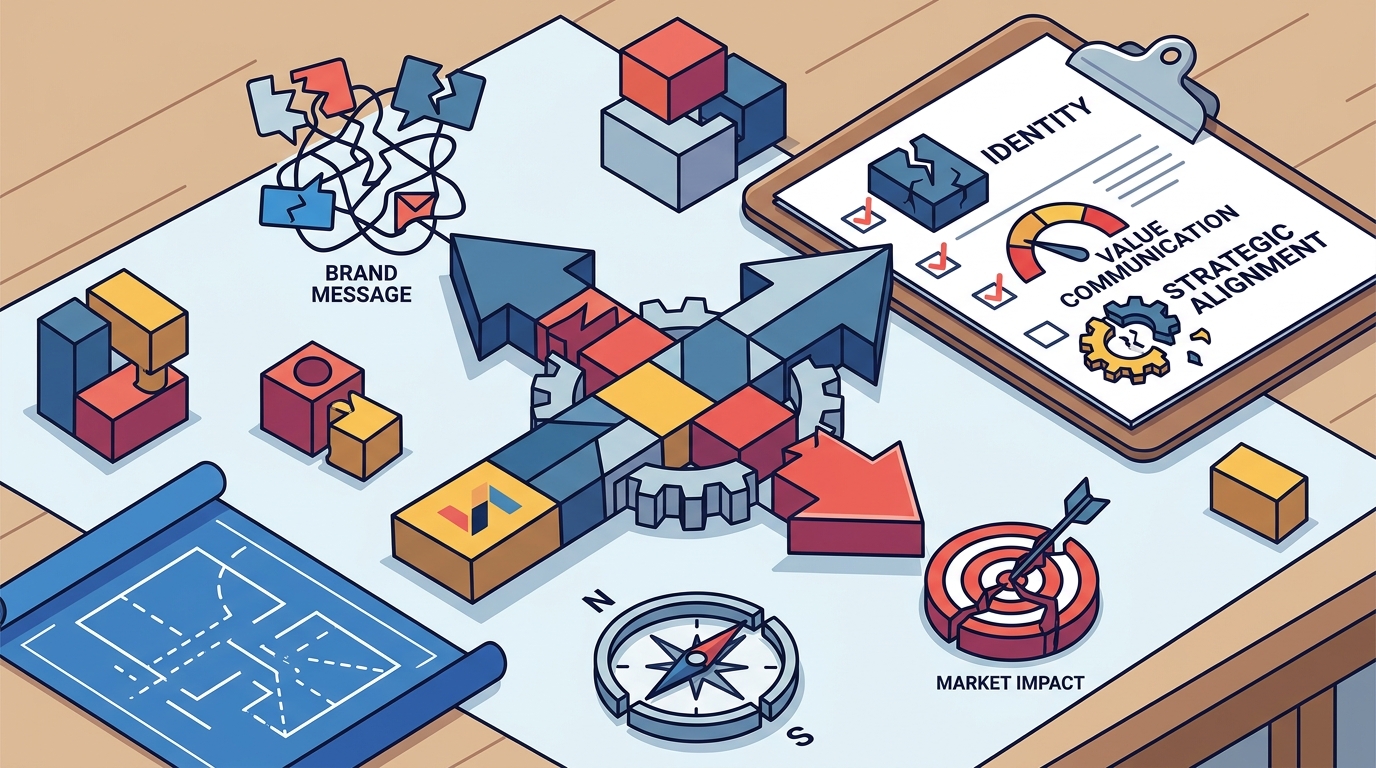
5. Poor Communication Strategy
Even the best rebrand can fail if the communication strategy is weak. Many companies announce a rebrand with a press release and a new logo, expecting the market to automatically understand the significance. This approach rarely works. Consumers need context, narrative, and emotional connection to engage with a new identity.
Effective communication tells a story. It explains the problem the brand is solving, the journey it has taken, and the future it envisions. For example, Victory Brewing Company leveraged its "Official Beer of Summer" status to create a community of brand activists. Their communication was not just about beer; it was about summer experiences, community, and celebration. This emotional connection drove engagement far beyond what a simple product launch could achieve.
Develop a multi-channel communication plan that includes storytelling, visual assets, and interactive elements. Use social media, email, and events to build anticipation and sustain momentum. Ensure that your messaging is consistent across all channels.
6. Measuring Success Incorrectly
Finally, many organizations measure rebranding success solely by logo recognition or website traffic. While these metrics are important, they do not capture the full impact of a rebrand. True success is measured by changes in customer perception, loyalty, and revenue growth.
Brand activism is defined as the state where consumers actively promote a brand due to a deep emotional bond. To measure this, you need to track sentiment analysis, customer retention rates, and net promoter scores. According to Harvard Business Review data, companies that focus on emotional connection see significantly higher long-term growth than those that focus solely on functional benefits.
Set clear KPIs before you launch the rebrand. Use these metrics to evaluate performance regularly. Be prepared to adjust your strategy based on the data. Continuous improvement is key to sustaining the momentum of a successful rebrand.
Key Takeaways
- Heritage Matters: Successful rebrands like Metra leverage their history to build trust rather than discarding it.
- Customer Empathy: Alienating loyal customers is a primary cause of rebrand failure; transparency is the antidote.
- Consistency is Critical: Inconsistent implementation across touchpoints dilutes brand credibility and confuses consumers.
- Internal Alignment: Employees must be the first brand activists; their belief drives external authenticity.
- Storytelling Wins: Emotional narratives, like those used by Victory Brewing, drive deeper engagement than functional features.
- Measure Emotion: Track sentiment and loyalty, not just traffic, to gauge true rebrand impact.
- BarberWarren's Approach: We create brand activists by uniting strategy, creativity, and deep consumer insights.
Frequently Asked Questions
What is the most common reason rebrands fail?
The most common reason is a lack of strategic alignment with core brand values. When the new identity does not reflect the company's heritage or customer expectations, it fails to resonate.
How do you measure the success of a rebrand?
Success should be measured through a combination of quantitative metrics (revenue, retention) and qualitative metrics (brand sentiment, customer advocacy). Emotional connection is a key indicator of long-term success.
Why is internal communication important in rebranding?
Employees are the first point of contact for customers. If they do not understand or believe in the new brand, they cannot effectively communicate its value. Internal alignment ensures consistent external messaging.
Can a small business undergo a successful rebrand?
Yes. Small businesses can rebrand by focusing on their unique value proposition and community connection. The scale of the rebrand should match the business's size, but the principles of consistency and authenticity remain the same.
How long does a rebranding process typically take?
A comprehensive rebrand can take anywhere from six months to two years, depending on the complexity of the organization and the scope of the changes. Planning and internal alignment are critical phases that require significant time.
What role does design play in rebranding?
Design is the visual expression of the brand strategy. It must be consistent, recognizable, and aligned with the brand's personality. However, design alone cannot save a rebrand that lacks strategic depth.
How can BarberWarren help with rebranding?
BarberWarren specializes in creating brand activists through strategic insight and creative execution. We help businesses navigate the complexities of rebranding by ensuring alignment between internal culture and external perception.
Ready to Transform Your Brand?
Rebranding is a powerful tool for growth, but it requires careful planning and execution. Avoid the common pitfalls by focusing on your core values, engaging your customers, and aligning your internal team. At BarberWarren, we help businesses create brand activists who fuel movements. If you are ready to elevate your brand, contact us today to start the conversation.