
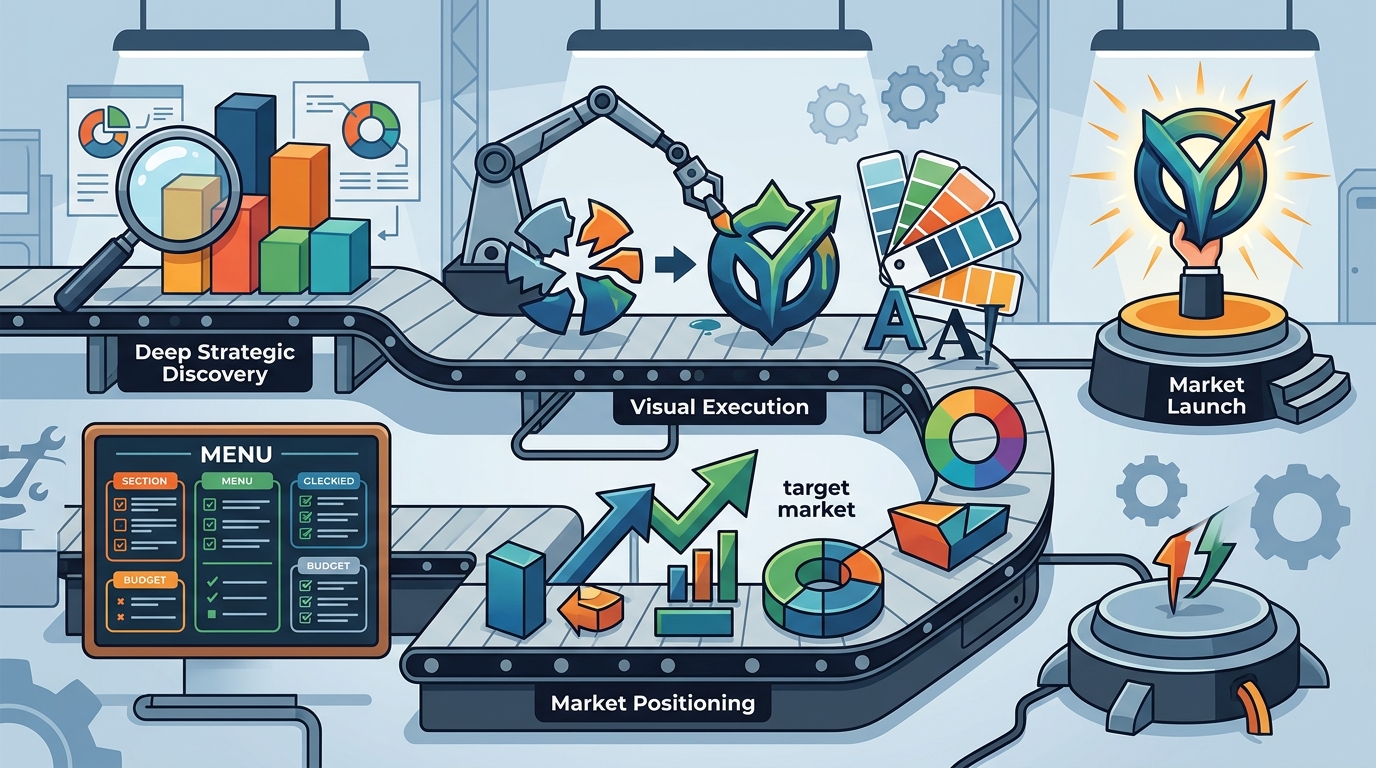
When you engage an experienced Atlanta agency like BarberWarren for a rebrand, you should expect a structured, data-driven journey that moves from deep strategic discovery to visual execution and market launch. This process is not just about changing a logo; it is a comprehensive overhaul of your brand identity, messaging, and market positioning. BarberWarren utilizes a menu-modeled approach to ensure every phase aligns with your specific business goals and budget constraints. For additional details, review the 429 Too Many Requests.
The Strategic Discovery Phase
The rebranding process begins with a rigorous audit of your current brand performance and market position. This phase is critical because it identifies the gaps between your internal vision and external perception. BarberWarren’s team, including strategic leaders like Hal Barber and Bob Warren, conducts in-depth stakeholder interviews and competitive analysis to define the core issues. This foundational work ensures that the new brand direction is rooted in reality rather than aesthetic preference alone. For additional details, review the .
Defining Brand Strategy
Brand strategy is the intellectual framework that guides all subsequent creative decisions. It defines your target audience, value proposition, and competitive differentiation. During this stage, the agency will help you articulate a clear brand purpose that resonates emotionally with your customers. This strategic clarity prevents the common pitfall of creating a beautiful but ineffective visual identity. For additional details, review the Customer Experience.
Visual Identity and Creative Development
Once the strategy is locked, the process moves into the creative development phase. This is where the abstract strategy translates into tangible visual assets. You can expect to see multiple concept presentations that explore different visual directions, including typography, color palettes, and iconography. BarberWarren focuses on creating strong, differentiating campaigns that create a powerful, lasting emotional bond with your brand. The creative team will refine these concepts based on your feedback, ensuring the final identity is both distinctive and versatile. For additional details, review the Frequently Asked Questions.
Iterative Design Feedback
The design process is iterative, meaning it involves multiple rounds of refinement. This allows for a collaborative environment where you can provide input at key milestones. It is important to understand that feedback should be strategic, not just subjective. The agency will guide you in evaluating designs based on how well they communicate the core brand strategy, rather than just personal taste. For additional details, review the About.
Brand Guidelines and Asset Production
After the primary visual identity is approved, the agency develops a comprehensive brand guideline document. This document serves as the rulebook for your brand, detailing how the logo, colors, and typography should be used across all touchpoints. It ensures consistency whether the brand appears on a digital screen, a print advertisement, or an outdoor billboard. BarberWarren’s expertise in digital, social, and print media ensures that these guidelines are practical and applicable across all channels your business utilizes.
Collateral and Rollout Materials
Launch and Market Integration
Post-Launch Support
Key Takeaways
- A professional rebrand is a strategic process, not just a visual update.
- Discovery and strategy are the most critical phases for long-term success.
- Iterative feedback ensures the final design aligns with business goals.
- Comprehensive brand guidelines are essential for consistency across all channels.
- Partnering with an experienced agency like BarberWarren ensures a structured and effective process.
Frequently Asked Questions
How long does a professional rebranding process take?
What is the difference between a rebrand and a refresh?
A rebrand is a complete overhaul of your brand identity, including strategy, messaging, and visual elements. A refresh, on the other hand, is a minor update to existing brand assets, such as a logo tweak or color adjustment. A rebrand is necessary when your business has undergone significant changes or when your current brand no longer resonates with your target audience.
How much does a rebranding process cost?
Do I need to change my logo during a rebrand?
Not necessarily. A rebrand can involve changing the logo, but it can also focus on other elements such as messaging, tone of voice, and brand positioning. The decision to change the logo should be based on the strategic goals of the rebrand. If the current logo no longer aligns with the new brand direction, a new logo may be required.
How can I measure the success of a rebrand?
The success of a rebrand can be measured through various metrics, including brand awareness, customer perception, and business performance. Conducting pre- and post-rebrand surveys can help gauge changes in customer perception. Additionally, tracking key performance indicators such as website traffic, social media engagement, and sales can provide insights into the rebrand’s impact on your business.
What role does the agency play in the rebranding process?
The agency plays a crucial role in guiding the rebranding process from start to finish. They provide expertise in strategy, creative development, and implementation. BarberWarren’s team of experts works closely with you to ensure that the rebrand aligns with your business goals and delivers measurable results. Their experience in navigating the marketing landscape ensures that the process is efficient and effective.
Can I be involved in the creative process?
Yes, you should be involved in the creative process. Your input is valuable in ensuring that the final brand identity reflects your vision and values. However, it is important to provide strategic feedback rather than just subjective opinions. The agency will guide you in evaluating designs based on how well they communicate the core brand strategy.