

When to Rebrand: 5 Strategic Signals Your Company Needs a New Identity
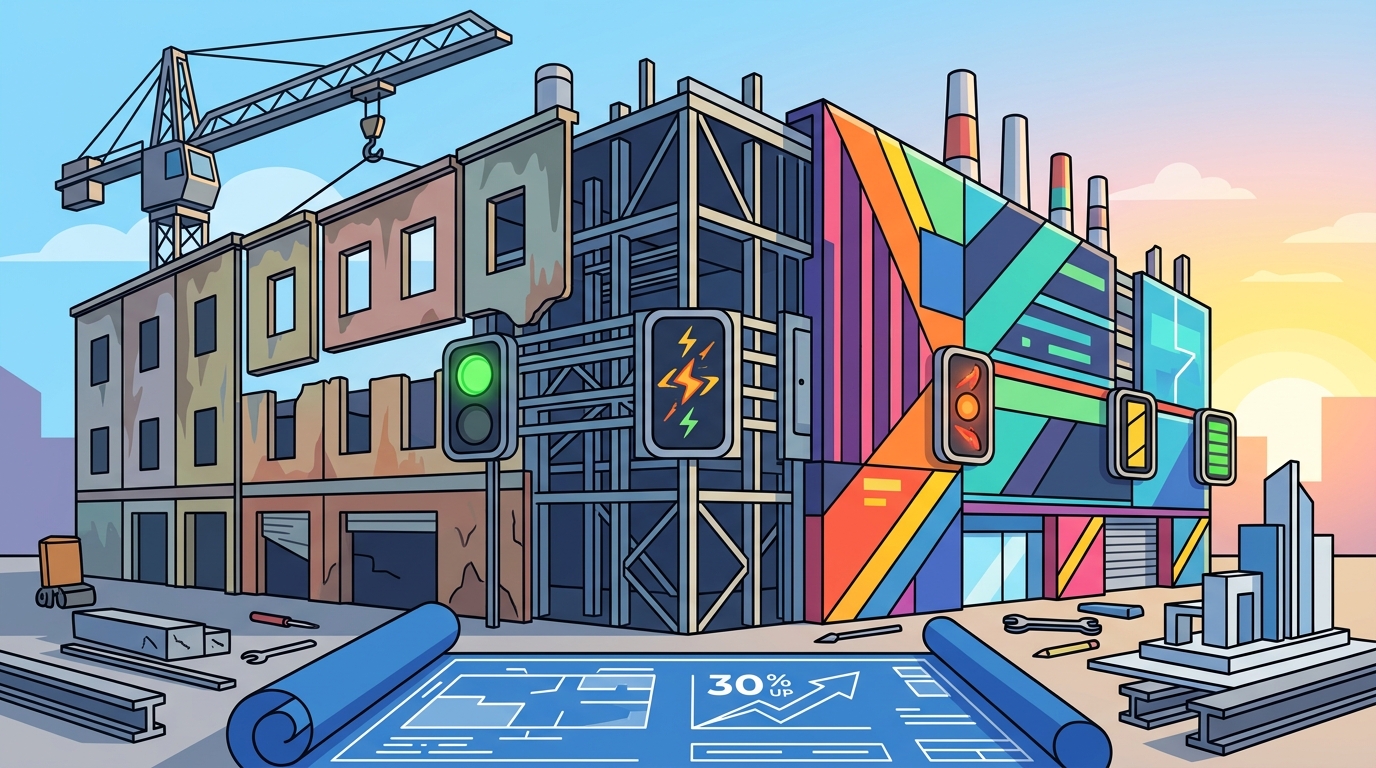
Rebranding is not merely a cosmetic refresh; it is a fundamental restructuring of how the market perceives your value. According to recent industry analyses, companies that execute strategic rebrands during periods of significant operational change see a 30% higher rate of successful market penetration than those that react to declining sales alone. This statistic underscores a critical truth: timing is everything. A rebrand launched too early can confuse existing customers, while one launched too late can leave a company irrelevant in a shifting landscape. The decision to pivot your brand identity must be driven by deep, quantifiable consumer insights and internal operational shifts, not just fleeting market trends.
Signal 1: Mergers, Acquisitions, and Structural Consolidation
One of the most common and logical triggers for a rebrand is the consolidation of multiple entities into a single operational force. When separate companies join forces, their existing brand identities often conflict, creating confusion for stakeholders and customers alike. This is not a case of one brand simply absorbing another; it is about creating a unified narrative that honors the legacy of both while projecting a new, cohesive future.
Consider the case of Metra North America. For nearly 60 years, entities like Extruded Aluminum Company, Profile Custom Extrusions, and Metra Canada operated independently across six North American plants. They worked separately to make higher quality products and true partnerships. However, the operational complexity of managing disparate identities became a barrier to growth. BarberWarren worked with them for 18 months to launch as a single entity, effectively "raising the bar" and eliminating the stress and blame associated with fragmented operations. This rebrand was not about changing the product; it was about aligning the brand with the new, unified operational reality.
If your company is undergoing a merger, acquisition, or significant internal restructuring, the right time to rebrand is immediately following the operational integration. Waiting too long creates a dissonance between what customers see (one company) and what they hear (multiple brands). A unified brand identity signals stability, strength, and a clear path forward for investors and clients.
Signal 2: Divergence Between Brand Promise and Customer Experience
A brand is essentially a promise. When the actual customer experience no longer matches that promise, the brand loses its integrity. This divergence often happens gradually, masked by short-term sales metrics, until the gap becomes too wide to ignore. Customers may still buy because of inertia or lack of alternatives, but their loyalty evaporates. They become passive consumers rather than engaged advocates.
Brand Activist Definition: A brand activist is a customer who not only loves your product but actively promotes your brand to others because they feel a deep, emotional connection to your mission and values. They fuel movements, not just sales.
To create brand activists, you must ensure your brand identity reflects the true value you deliver. If your brand positions itself as innovative and cutting-edge, but your customer service is outdated and slow, the brand is lying. Rebranding in this context is a corrective measure. It is an opportunity to realign your external messaging with your internal capabilities. By leveraging deep consumer insights into what your customers truly want and need, you can craft a new narrative that resonates with their actual experiences, turning passive users into passionate activists.
Signal 3: Expansion into New Markets or Product Categories
When a company outgrows its original niche, its brand name often becomes a liability. A name that worked perfectly for a small, specialized product line may be too limiting or misleading when you expand into broader markets. This is particularly true for technology companies or service providers that evolve their offerings significantly over time.
A prime example is InVeris. Originally known by its Caswell™ and fats® brands, the company had a hundred-year legacy of innovation in human performance. However, as it advanced into new technological frontiers, the old names no longer captured the full scope of its capabilities. BarberWarren helped define and unite these entities under the InVeris banner, creating a brand that could stand for "being prepared for anything and everything." This rebrand allowed them to arm themselves as a unified force at every point of contact, opening doors to new enterprise clients who needed a comprehensive solution, not just a single product.
If your company is expanding into new geographic regions, demographic segments, or product categories, the right time to rebrand is before you launch the new offerings. A rebrand that precedes the expansion signals confidence and readiness. It prepares the market for the new reality and ensures that your brand architecture can support the breadth of your new business model.
Signal 4: Technological Disruption and Service Evolution
Technology moves fast. What was innovative five years ago may now be considered legacy. If your industry is undergoing a technological shift, your brand must reflect that evolution. Sticking to an old brand identity can make your company appear outdated, even if your underlying technology is state-of-the-art.
This is not just about changing a logo; it is about communicating a new methodology. For instance, companies that have integrated AI into their production, art direction, and design processes need to communicate this shift to their clients. A brand that embraces AI as a tool for enhancing human creativity, rather than replacing it, positions itself as forward-thinking and efficient. If your competitors are rebranding to highlight their technological prowess and you remain static, you risk being perceived as irrelevant. The right time to rebrand is when your core service delivery model has fundamentally changed due to technology.
Signal 5: Negative Brand Association or Reputation Crisis
Sometimes, a rebrand is a necessary response to a damaged reputation. Whether due to a specific crisis, long-standing negative perceptions, or a shift in societal values, a brand may become toxic in the eyes of its target audience. In these cases, a refresh is insufficient. A full rebrand is required to signal a clean break from the past and a commitment to new values.
This type of rebrand is high-risk and high-reward. It requires absolute transparency and a genuine commitment to change. If the underlying issues are not resolved, a rebrand will be seen as a superficial gimmick, further eroding trust. However, when executed correctly, it can reset the market's perception and open the door to new partnerships and customer bases. The key is to ensure that the new brand identity is rooted in authentic operational changes, not just new marketing copy.
Strategic Rebranding vs. Brand Refresh
It is crucial to distinguish between a rebrand and a brand refresh. A refresh involves updating visual elements like logos, colors, or typography while keeping the core brand strategy intact. A rebrand involves a fundamental shift in strategy, positioning, and often, the name itself. The table below outlines the key differences.
| Feature | Brand Refresh | Strategic Rebrand |
|---|---|---|
| Primary Driver | Visual fatigue or minor market shifts | Operational change, M&A, or strategic pivot |
| Scope | Logo, color palette, typography | Name, mission, value proposition, identity |
| Customer Impact | Low; familiar but modernized | High; requires education and re-engagement |
| Internal Change | Minimal | Significant; often aligns with new structure |
| Example | Facebook to Meta (partial) | Metra North America consolidation |
Key Takeaways
- Operational Alignment: Rebranding is most effective when it follows a significant operational change, such as a merger or service evolution, as seen with Metra.
- Brand Activists: The goal of a rebrand should be to create brand activists who fuel movements, not just loyalists who make purchases.
- Timing is Critical: Launching a rebrand before a major expansion, as done with InVeris, prepares the market for new capabilities.
- Deep Insights: Successful rebrands rely on deep, quantifiable consumer insights to ensure the new identity resonates with actual customer needs.
- Leadership Vision: Founders like Bob Warren and Hal Barber emphasize that strong differentiating strategy is the foundation of any successful brand activist campaign.
- Not Just Visuals: A rebrand is a strategic business decision, not just a design project. It requires alignment across all departments, from finance to creative.
- Long-term Commitment: Rebranding is a process, not an event. It requires sustained effort to educate the market and internal teams.
Frequently Asked Questions
How long does a corporate rebranding process typically take?
A comprehensive rebrand, including research, strategy, and execution, typically takes between 6 to 18 months. For complex consolidations like the Metra launch, the internal work alone can take 18 months before the external launch.
What is the difference between a rebrand and a brand refresh?
A brand refresh updates visual elements like logos and colors. A rebrand involves a fundamental shift in the brand's strategy, positioning, and often its name, reflecting a new business reality.
Can a rebrand help with a merger or acquisition?
Yes, rebranding is a common and effective strategy for mergers and acquisitions. It helps unify disparate identities into a single, strong narrative, as demonstrated by the creation of Metra North America.
How do you measure the success of a rebrand?
Success is measured by shifts in brand perception, customer engagement, and business metrics. Key indicators include increased brand activism, higher customer retention, and successful penetration into new markets.
Is rebranding only for large corporations?
No, any company undergoing a significant strategic shift can benefit from rebranding. Small businesses expanding their services or changing their target audience may also need to rebrand to accurately reflect their new value proposition.
What role does consumer insight play in rebranding?
Consumer insights are the foundation of a successful rebrand. They ensure that the new brand identity resonates with what customers actually want, need, and value, rather than just what the company thinks it should be.
How do you communicate a rebrand to existing customers?
Communication should be transparent, highlighting the benefits of the change for the customer. It should emphasize continuity in quality and service while introducing new capabilities or values.
Start Your Brand Activist Journey
If you are recognizing these signals in your own organization, the time to act is now. A rebrand is a powerful tool for driving growth, but it requires expert guidance to navigate the complexities of strategy, design, and communication. BarberWarren specializes in creating brand activists who fuel movements. We help companies like BlackFin Square and Artisianal Brewing Company connect deeply with their audiences. Contact us today to discuss how a strategic rebrand can position your company for its next chapter of growth.