

What Should I Look for When Hiring a Creative Branding Agency?
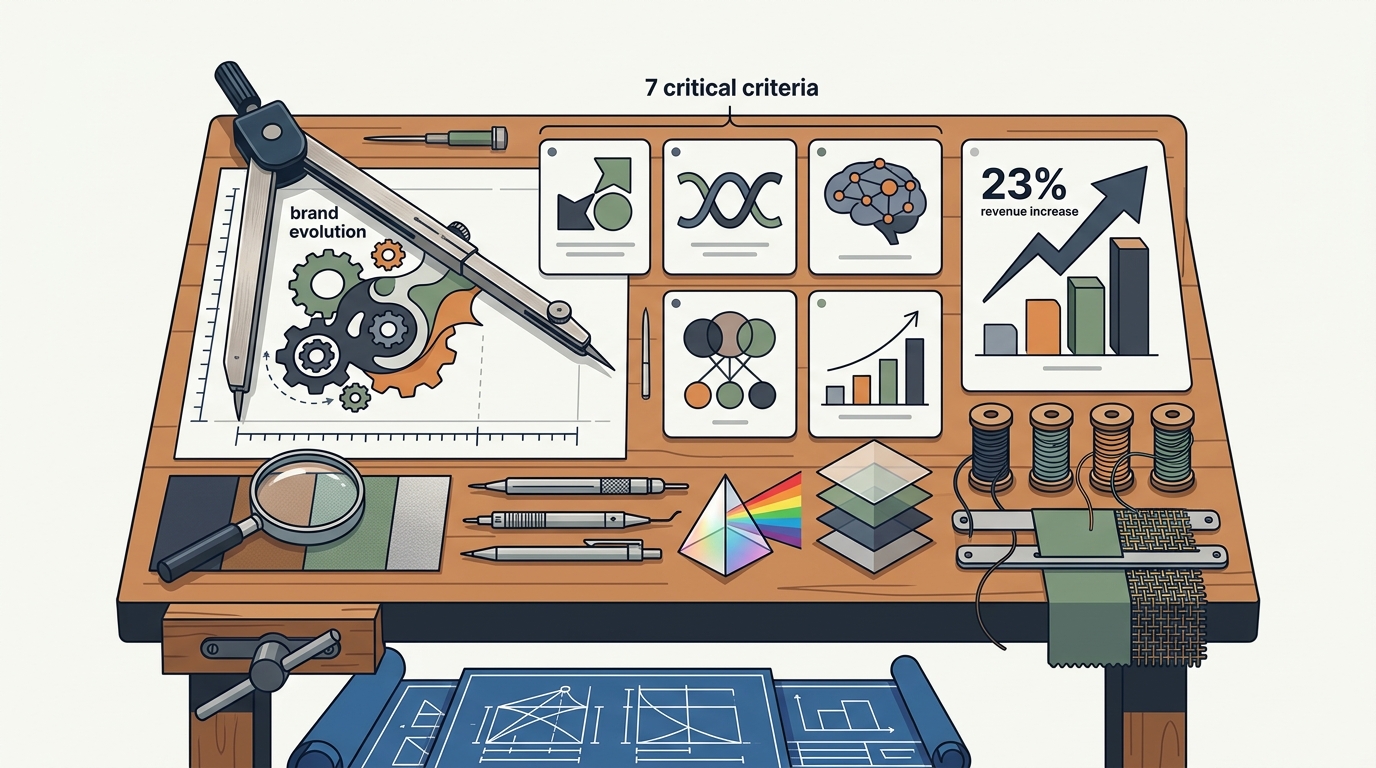
Choosing the right partner for your brand's evolution is one of the most critical strategic decisions a company can make. According to recent industry analyses, businesses that prioritize strong brand consistency see a 23% increase in revenue growth compared to those that do not. This statistic highlights why the selection process must go beyond aesthetic preferences. You need a partner who understands the psychological drivers of consumer behavior and can translate them into tangible business outcomes. This guide outlines the essential criteria for evaluating potential agencies, ensuring you select a team capable of creating lasting brand activists.
Understanding Brand Activists vs. Enthusiasts
The most significant differentiator between a standard marketing firm and a top-tier creative branding agency is the concept of the "brand activist." Brand activism is not merely about creating loyal customers; it is about empowering individuals to become vocal advocates who fuel movements. This distinction is crucial for modern businesses seeking organic growth and community engagement.
When evaluating an agency, ask how they define success. Do they focus solely on reach and impressions, or do they measure emotional connection and advocacy? A true branding agency will articulate a strategy that moves consumers from passive observers to active participants. This approach requires deep consumer insights into wants, needs, beliefs, and values. By understanding these psychological triggers, an agency can craft campaigns that resonate on a human level, creating a powerful, lasting emotional bond to your brand.
For example, agencies that have successfully transformed complex B2B entities, such as InVeris, focus on uniting internal cultures before launching external campaigns. This internal alignment ensures that the brand promise is authentic and deliverable, which is a cornerstone of building genuine brand activists.
Evaluating Creative Leadership and Culture
Creative branding is not a solo endeavor; it is a collaborative ecosystem driven by visionary leadership. The founders and creative directors of an agency set the tone for innovation, risk-taking, and quality. When interviewing potential partners, look for leaders who have a proven track record of mentoring talent and fostering a culture of excellence.
Consider the background of the agency's leadership. Founders who come from a legacy of advertising, like those who understand the "Mad Men" era of copywriting and art direction, often bring a disciplined yet creative approach to modern digital challenges. They have likely seen trends come and go, allowing them to focus on timeless brand principles rather than fleeting tactics.
Furthermore, assess the agency's adaptability to new technologies. Leading creative directors now leverage AI as a production and art direction tool, but they strictly leverage the power of human emotion and personality. This hybrid approach ensures that while efficiency is improved, the soul of the brand remains intact. An agency that ignores the impact of AI on creative workflows may be falling behind in operational efficiency.
Case Study Depth and Industry Relevance
Portfolio reviews are standard practice, but you must look beyond the visuals. Analyze the strategic narrative behind each case study. Did the agency simply redesign a logo, or did they reposition the entire brand? Look for evidence of measurable impact, such as increased market share, improved customer sentiment, or successful product launches.
Industry relevance is also key. While a great agency can pivot, experience in your specific vertical provides a significant advantage. For instance, an agency that has worked with Metra understands the complexities of manufacturing and B2B supply chains. They know how to simplify complex value propositions into clear, compelling messages. Similarly, experience with consumer goods, like Victory Brewing Company, demonstrates an ability to create emotional connections in a crowded marketplace.
When reviewing case studies, ask specific questions about the challenges faced. How did the agency handle resistance to change? How did they measure the success of the campaign? These details reveal the agency's problem-solving capabilities and their commitment to client success.
Strategic Infrastructure and Client Partnerships
A creative branding agency must have robust strategic infrastructure to support its creative output. This includes research methodologies, data analytics capabilities, and a structured approach to brand development. Without a solid strategic foundation, creative work can become disconnected from business goals.
Look for agencies that emphasize "brand activists" through rigorous research. This involves deep dives into consumer behavior, competitive analysis, and market trends. The agency should be able to articulate how their creative decisions are informed by data. For example, understanding the specific pain points of a CIO, as seen in their work with BlackFin Square, allows for highly targeted messaging that resonates with decision-makers.
Additionally, consider the agency's network of partners. Do they have relationships with media buyers, PR firms, and digital specialists? A full-service approach ensures that your brand message is consistent across all touchpoints. This holistic view is essential for creating a cohesive brand experience that drives growth.
Comparing Agency Models and Service Delivery
Not all agencies operate the same way. Some are boutique firms offering highly specialized services, while others are full-service agencies providing a wide range of capabilities. Understanding the agency's model is crucial for determining fit.
| Agency Model | Strengths | Best For |
|---|---|---|
| Full-Service Boutique | Deep strategic insight, creative excellence, personalized attention | Companies seeking comprehensive brand transformation |
| Large Network Agency | Global reach, extensive resources, media buying power | Multi-national corporations with complex needs |
| Specialized Creative Studio | Niche expertise, cutting-edge design, rapid execution | Startups or specific campaign needs |
When evaluating these models, consider your company's size, budget, and strategic goals. A full-service boutique agency often offers the best balance of strategic depth and creative agility. They can provide the high-level strategy of a large agency with the personalized attention of a smaller firm. This model is particularly effective for companies looking to build a strong brand foundation while remaining agile in a fast-paced market.
Key Takeaways
- Focus on Activism: Prioritize agencies that create "brand activists" rather than just loyal customers, as this drives organic growth and advocacy.
- Leadership Matters: Evaluate the creative leadership's background and their ability to blend traditional advertising principles with modern technology.
- Strategic Depth: Ensure the agency has robust research methodologies and can articulate the data behind their creative decisions.
- Industry Experience: Look for proven success in your specific vertical, such as B2B manufacturing or consumer goods.
- Client Partnerships: Assess the agency's network and ability to integrate brand strategy across media, PR, and digital channels.
- Model Fit: Choose an agency model that aligns with your company's size and strategic goals, balancing depth with agility.
- Measurable Impact: Demand clear metrics for success in case studies, focusing on business outcomes rather than just aesthetic changes.
Frequently Asked Questions
What is the difference between a branding agency and a marketing agency?
A branding agency focuses on the long-term identity, positioning, and emotional connection of a company, while a marketing agency typically focuses on short-term campaigns and lead generation. Branding is the foundation; marketing is the expression.
How long does it take to see results from a rebranding effort?
While initial awareness may grow quickly, significant brand equity and market share shifts often take 12 to 24 months to fully materialize. Consistency in messaging and visual identity is critical during this period.
Why is "brand activism" important for modern businesses?
Brand activism turns customers into advocates who voluntarily promote your brand. This organic advocacy is more trusted by consumers than traditional advertising, leading to higher engagement and lower customer acquisition costs.
What should I look for in an agency's case studies?
Look for detailed narratives that explain the problem, the strategic approach, and the measurable business outcomes. Avoid agencies that only showcase visuals without explaining the strategic rationale.
Can a small business benefit from a full-service branding agency?
Yes. A full-service agency can provide the strategic depth and creative excellence that small businesses need to compete with larger competitors. They offer a comprehensive approach that ensures consistency across all touchpoints.
How do I measure the success of a branding campaign?
Success metrics include brand awareness, sentiment analysis, customer retention rates, and revenue growth. These metrics provide a holistic view of the brand's health and impact on the bottom line.
What role does AI play in creative branding?
AI is used for efficiency in production and data analysis, but human creativity and emotional intelligence remain central to building authentic brand connections. The best agencies leverage AI to enhance, not replace, human insight.
Start Your Brand Transformation
Ready to create brand activists for your company? Contact BarberWarren today to discuss how our strategic approach and creative excellence can drive your brand's growth. We specialize in building deep, emotional connections that fuel movements and deliver measurable results.