

Choosing the right partner for your brand identity is one of the most consequential decisions a business leader will make. According to recent industry analyses, companies that prioritize consistent branding see revenue growth up to 23% faster than those that do not. This statistic underscores the financial weight of creative strategy. You are not just buying logos; you are investing in the emotional architecture of your market presence. The difference between a standard vendor and a true strategic partner is the ability to create brand activists, not just passive consumers. (BarberWarren mdash About)
1. Strategic Alignment and Cultural Fit
The first criterion is often overlooked until it is too late. You must evaluate whether the agency's creative philosophy aligns with your company's core values. A creative branding agency should not merely execute tasks; they must understand the "why" behind your business. Look for partners who demonstrate a deep understanding of your industry's nuances and your specific competitive landscape.
Consider the approach of agencies that focus on creating brand activists. This concept goes beyond traditional loyalty programs. It involves crafting campaigns that inspire customers to become vocal advocates for your brand. When an agency can articulate how they will turn your audience into a movement, you have found a partner with a distinct strategic advantage. Ask potential agencies to share case studies where they successfully shifted brand perception through cultural alignment rather than just visual updates.
2. Proven Track Record in Your Sector
Experience matters, but relevant experience is paramount. A agency that excels in consumer packaged goods may struggle with complex B2B enterprise solutions. Review their portfolio for depth, not just breadth. Look for long-term partnerships that indicate sustained client satisfaction and measurable growth.
For instance, agencies that have worked with legacy brands undergoing modernization, such as Metra, demonstrate the ability to honor heritage while driving innovation. Similarly, their work with InVeris highlights expertise in unifying complex technological identities. When evaluating candidates, ask for specific examples of how they navigated regulatory or market-specific challenges for previous clients. This reveals their problem-solving agility and industry fluency.
3. The Creative Process and Collaboration
Transparency in the creative workflow is non-negotiable. You need to know how ideas are generated, vetted, and refined. A robust process includes stages for research, ideation, prototyping, and rigorous testing. Avoid agencies that present a final product without showing the iterative journey.
The best agencies treat creativity as a collaborative mindset across all departments. This means your account team, strategists, and designers are all aligned with your goals from day one. During interviews, request a walkthrough of their typical project timeline. Pay attention to how they handle feedback and conflict. A healthy agency will welcome constructive criticism as a tool for refinement, not as a personal affront. This collaborative spirit is essential for maintaining momentum during high-stakes rebrands.
4. Data-Driven Insights and Consumer Psychology
Creativity without strategy is just art. A top-tier creative branding agency must leverage deep, quantifiable consumer insights. They should be able to explain the psychological triggers behind their design choices. This involves understanding your audience's wants, needs, beliefs, values, and perceptions.
Look for agencies that utilize advanced analytics to inform their creative direction. For example, understanding why a specific color palette or narrative arc resonates with a target demographic requires rigorous research. Agencies that can bridge the gap between data analytics and emotional storytelling are rare and valuable. They do not just guess what will work; they predict it based on behavioral patterns and market trends. This data-driven approach minimizes risk and maximizes the impact of your branding investment.
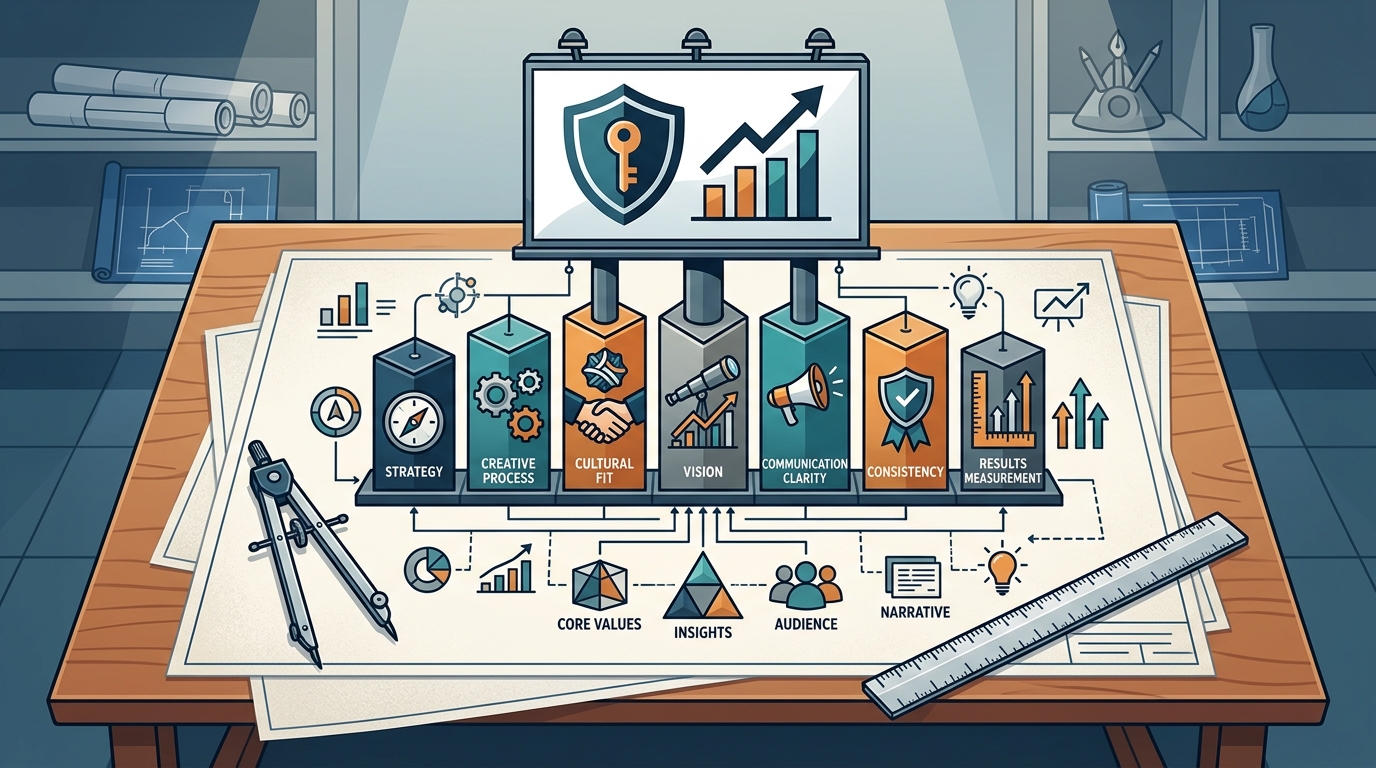
5. Full-Service Capabilities vs. Specialization
Depending on your needs, you may require a full-service partner or a specialized boutique. Full-service agencies offer a cohesive ecosystem where branding, digital marketing, and public relations work in unison. This ensures consistency across all touchpoints, from social media to physical retail environments.
However, specialization can also be a strength. If you need deep expertise in a specific medium, such as experiential marketing or digital product design, a specialized firm might be more effective. Evaluate the agency's ability to scale. Can they handle a global launch? Do they have the infrastructure to support rapid content production? Agencies like BlackFin Square demonstrate how technology and branding intersect to fuel growth. Ensure the agency you choose has the operational capacity to meet your future demands, not just your current ones.
6. Measuring ROI and Long-Term Value
Branding is often criticized for being difficult to measure, but this is a misconception. A professional agency will establish clear key performance indicators (KPIs) before the project begins. These might include brand awareness scores, customer sentiment analysis, or engagement rates.
Ask potential partners how they report on success. Do they provide monthly dashboards? Do they conduct quarterly business reviews? The best agencies view branding as a long-term asset that compounds in value over time. They should be able to articulate how their work contributes to your bottom line, whether through increased customer lifetime value or reduced customer acquisition costs. Look for transparency in pricing models and a willingness to align their success with yours.
7. Final Considerations for Decision Makers
Before signing a contract, conduct thorough due diligence. Check references, review contract terms, and ensure there are no hidden fees. It is also vital to assess the agency's leadership team. Who will be working on your account? Do you have access to senior strategists or will you be handed off to junior staff?
Consider the agency's adaptability to emerging technologies. The landscape of digital marketing changes rapidly. An agency that embraces AI and new media platforms while maintaining a focus on human emotion will keep your brand ahead of the curve. They should be agents of change, constantly evolving their methods to meet new challenges. This forward-thinking mindset is crucial for long-term brand relevance.
Key Takeaways
- Strategic Fit: Prioritize agencies that create brand activists through deep cultural alignment.
- Relevant Experience: Seek partners with proven success in your specific industry vertical.
- Collaborative Process: Ensure the agency treats creativity as a shared, iterative journey.
- Data Integration: Demand evidence that creative decisions are backed by consumer psychology.
- Scalability: Verify the agency can support your growth trajectory and global ambitions.
- ROI Transparency: Require clear metrics for measuring brand impact and financial return.
- Leadership Access: Confirm that senior talent will be directly involved in your project.
Frequently Asked Questions
What is the difference between a branding agency and a marketing agency?
A branding agency focuses on the core identity, values, and visual language of a company. Marketing agencies typically focus on promoting existing products or services through campaigns. The best partners often integrate both to ensure consistency.
How long does a typical rebranding project take?
Most comprehensive rebranding projects take between three to six months. This timeline allows for thorough research, strategic development, and iterative design phases to ensure quality.
Why is consumer psychology important in branding?
Consumer psychology explains the emotional drivers behind purchasing decisions. Understanding these triggers allows agencies to craft messages that resonate deeply, fostering loyalty and advocacy.
Can a small business afford a full-service branding agency?
While costs vary, many agencies offer scalable packages for small businesses. The investment is often justified by the long-term value of a strong, differentiated brand identity.
What questions should I ask during an agency interview?
Ask about their most challenging project, how they measure success, and who will be your primary point of contact. These questions reveal their problem-solving approach and commitment to client service.
How do I ensure brand consistency across channels?
Work with an agency that provides comprehensive brand guidelines and tools. They should also offer ongoing support to ensure all touchpoints adhere to the established identity.
What role does technology play in modern branding?
Technology enables personalized experiences and data-driven insights. Agencies must leverage digital tools to enhance brand interaction while maintaining a human-centric approach.
Ready to Build Your Brand Activists?
Choosing the right creative branding agency is a pivotal step toward market leadership. By evaluating strategic alignment, proven track records, and data-driven methodologies, you can secure a partner that drives real growth. Do not settle for generic solutions. Seek a partner who understands the power of emotional connection and cultural relevance.
Explore our work and discover how we create brand activists for forward-thinking companies. View our portfolio to see how we have helped brands like Coca-Cola, Navy Federal Credit Union, and Southern Proper stand out in crowded markets. Contact us today to schedule a consultation and discuss your branding goals.